Usage
Using a hypothetical requirement as a foundation, this bootcamp guides you through incremental stages to gradually define and refine a comprehensive software model. Throughout this journey, you will explore the multiple dimensions that a software model should encompass. Each stage provides insights into both the corresponding Structurizr syntax and the underlying C4 philosophy.
This course is designed for self-directed learning, allowing you to progress at your own pace.
The Problem with Inconsistent Diagrams
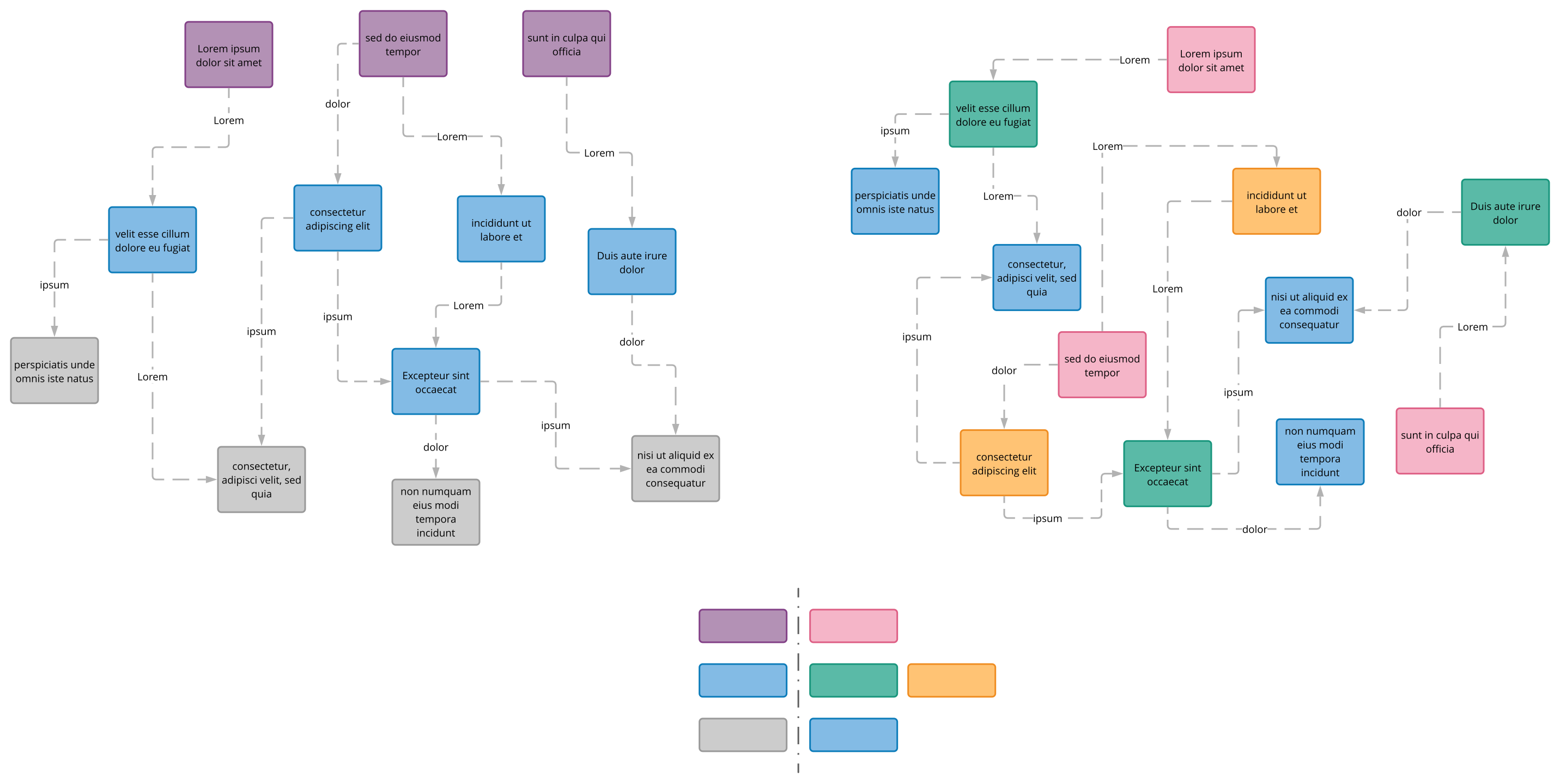
Different levels of abstraction, inconsistent legends, and mismatched notation make it difficult to:
- Compare the left and right diagrams
- Identify coupling between the left and right systems
- Make informed architectural decisions
Consistent Architecture Enables Better Communication
When diagrams use the same model and consistent semantics:
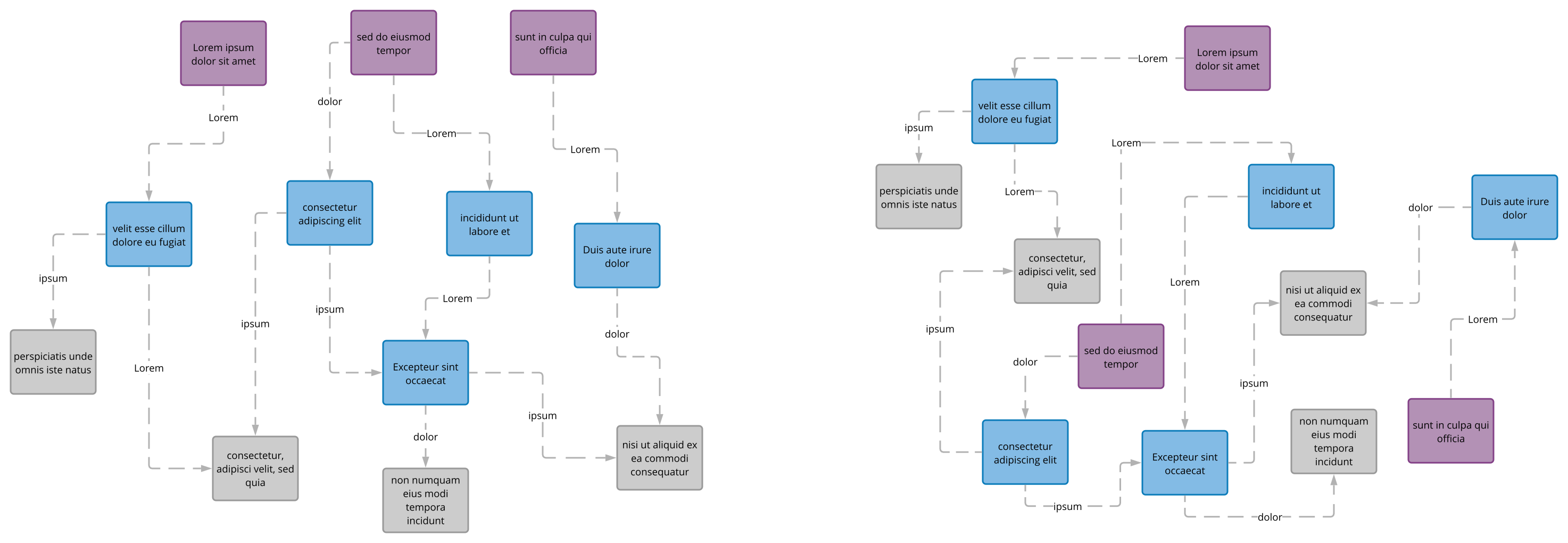
Teams can focus on discussing content rather than deciphering different notations.
Adaptive Audience Views
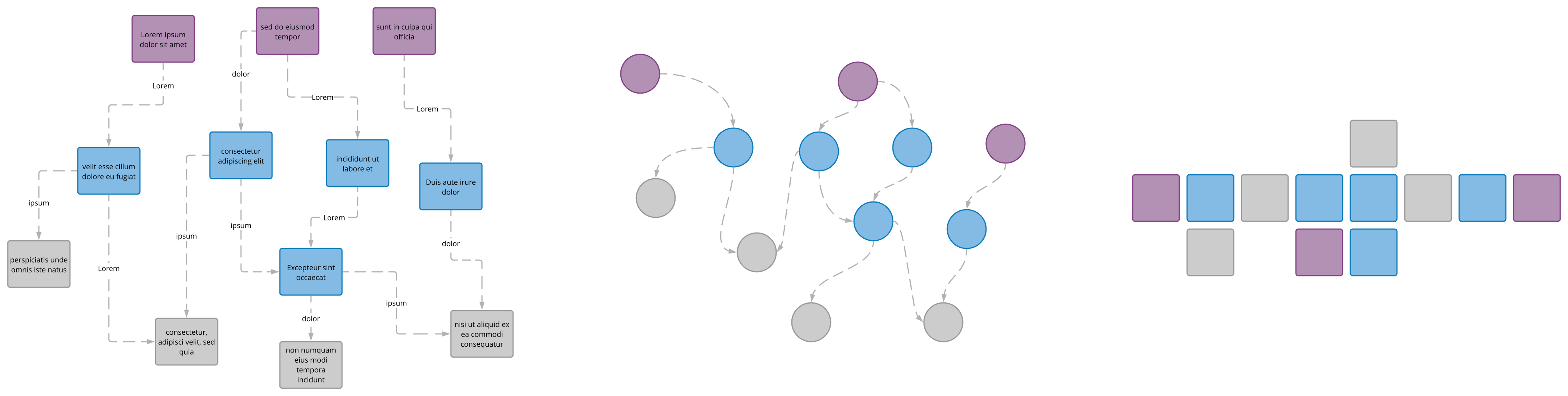
Similar to the MVVM pattern, you can switch between different views of the same software model to present the most meaningful perspective for your audience. Lossless model simplification facilitates identification and comparison (similar to hashing).
Spot the Differences
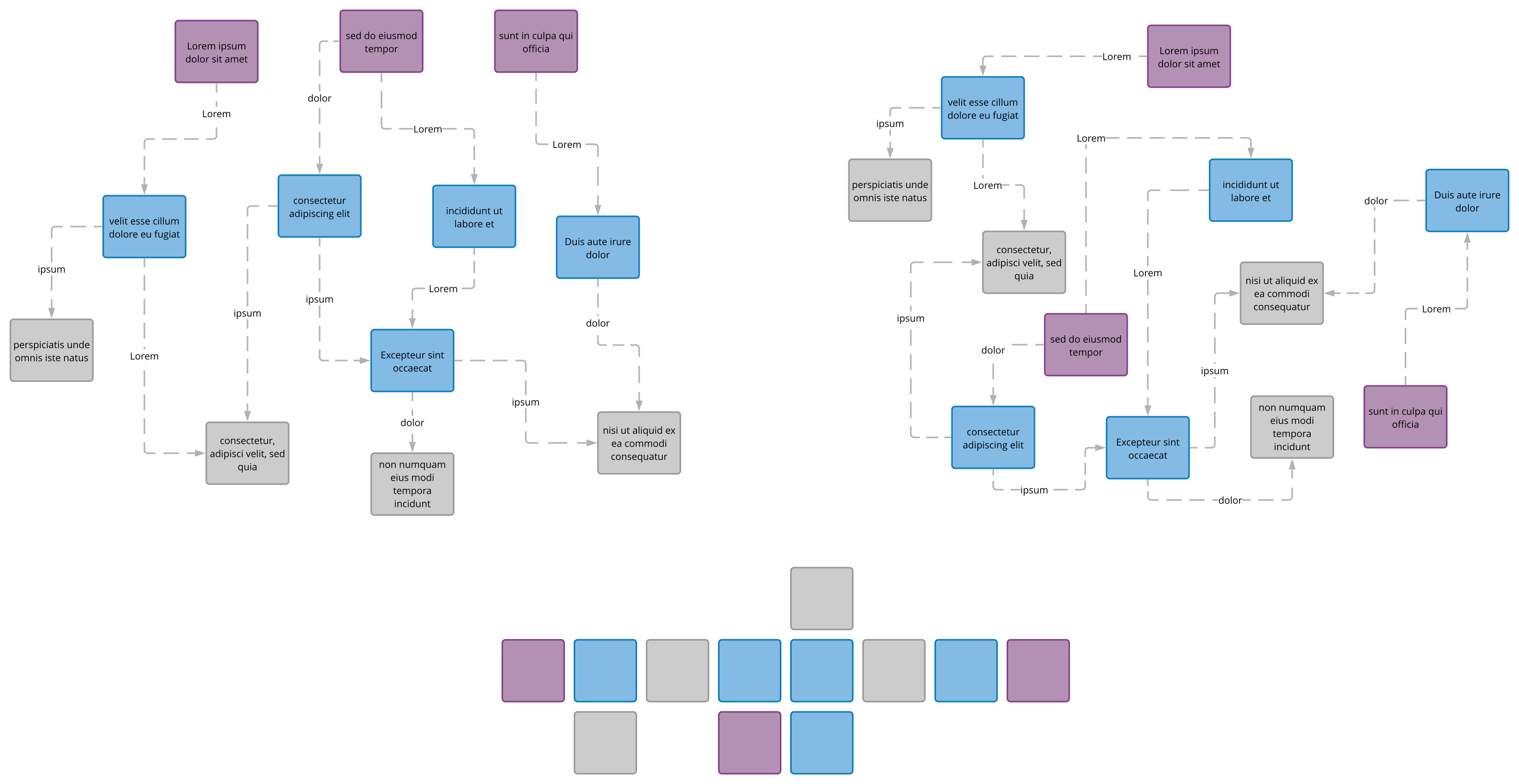
Compare the underlying model, not the layout.
Layout Consistency
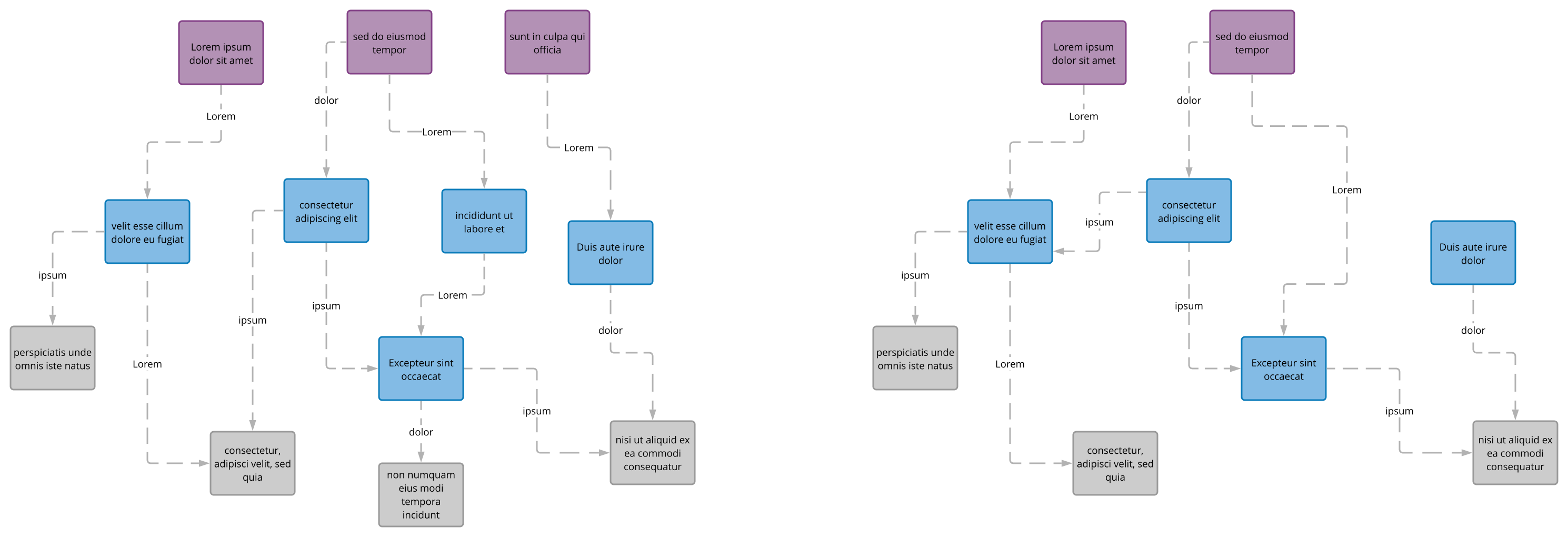
Enforcing layout consistency makes the comparison process easier.
Pattern Recognition Enables Reusability
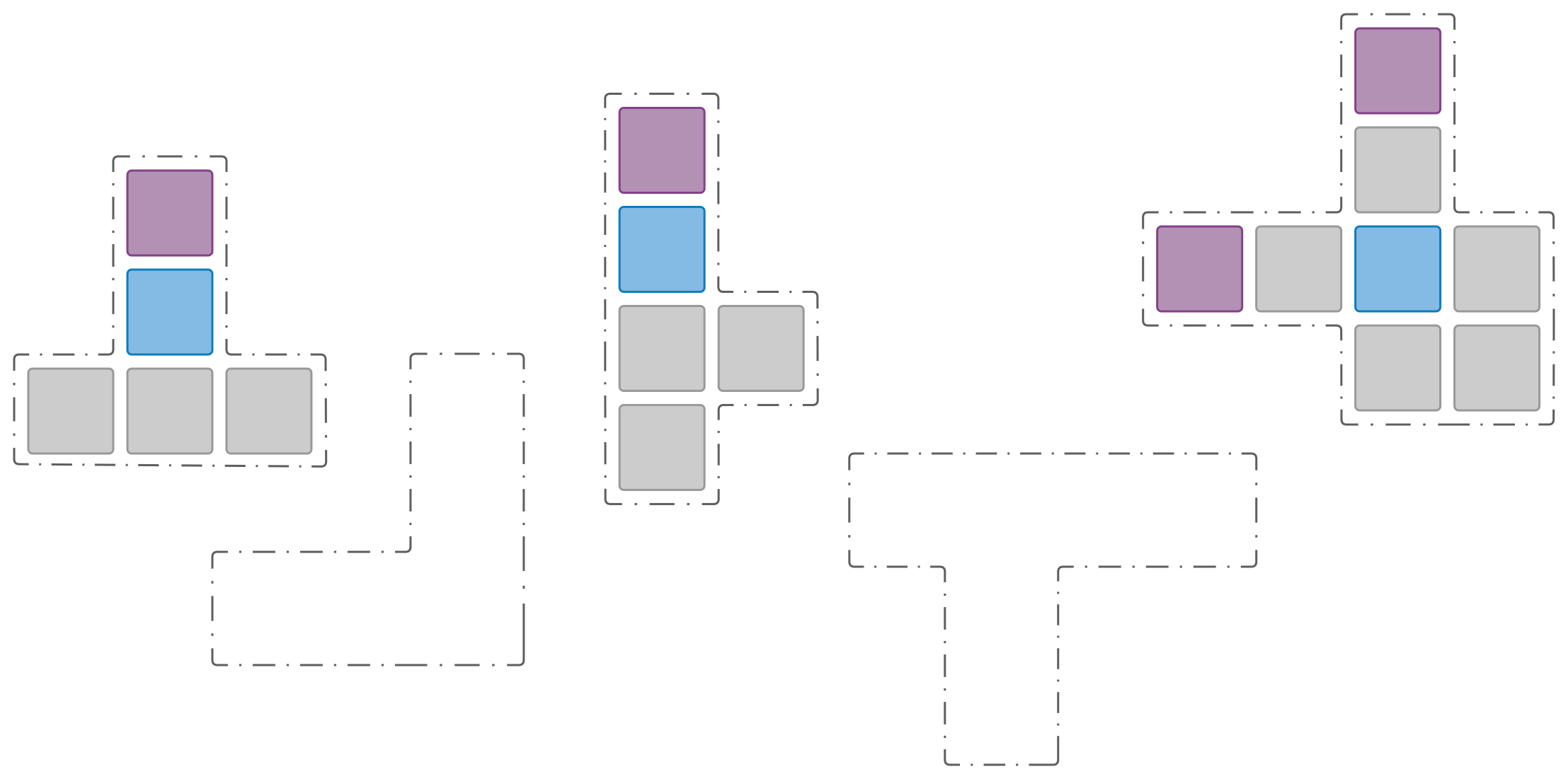
Identifying common patterns is the first step toward building reusable architectural components.
Consistency Reveals Key Insights
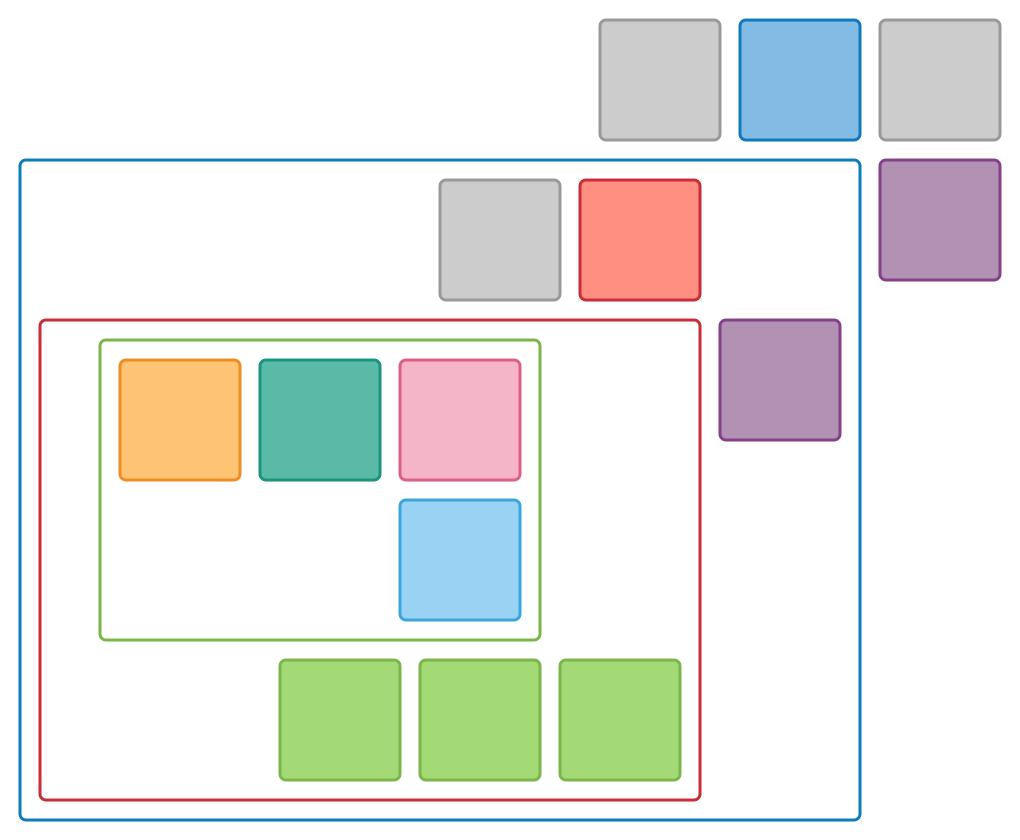
Consistent diagrams help answer critical questions:
- Which features are most important?
- What level of detail is appropriate?
- Why are some components treated differently than others?
Serve Your Audience

Reduce cognitive load by making architectural diagrams as clear and accessible as possible. Every effort to help your audience understand the content quickly is worthwhile.